The Best Regional Hot Dog Recipes to Recreate at Home
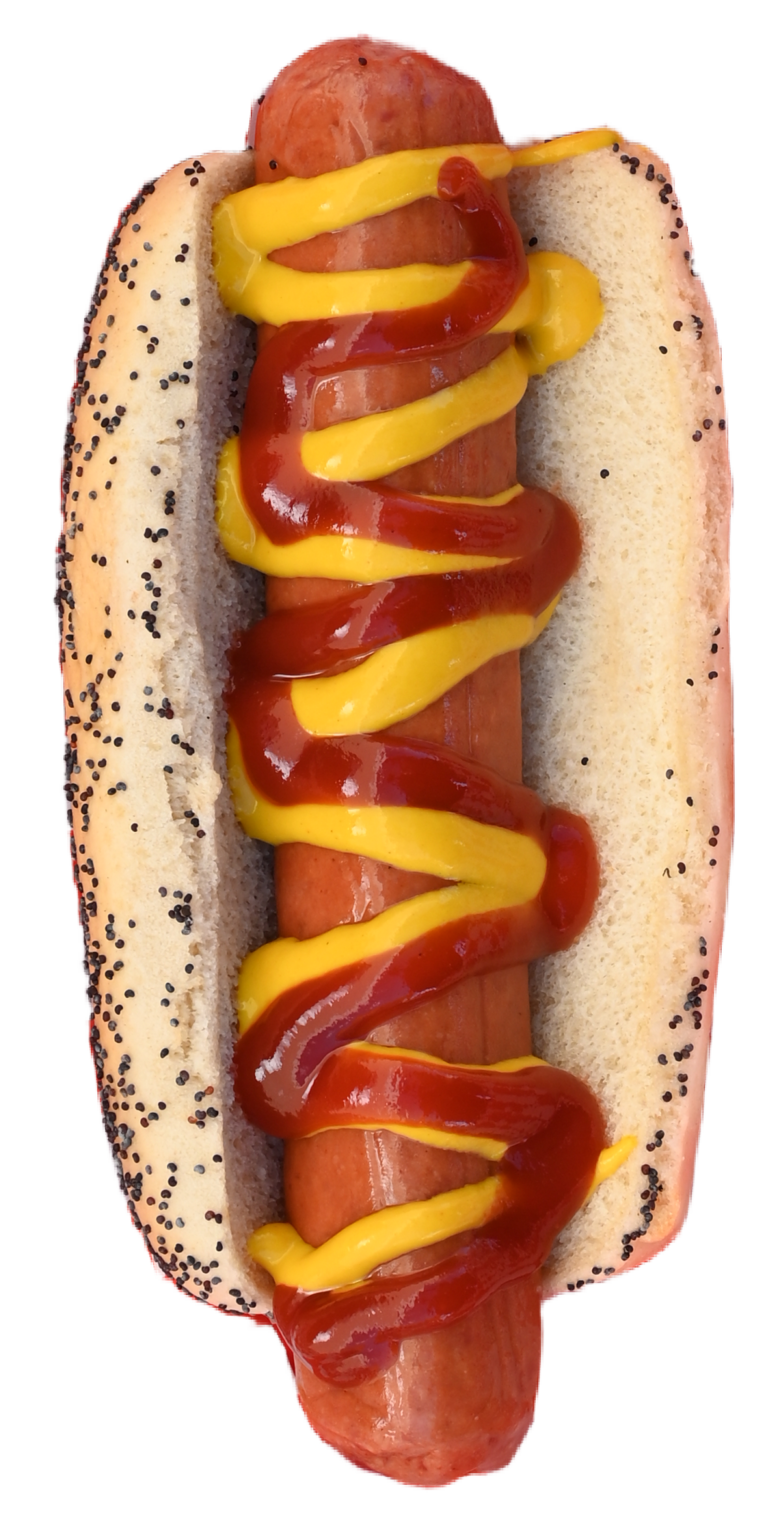


There are few foods more deeply local than the hot dog. Nearly every American region that takes its sausages seriously has developed a style that feels obvious to the people who grew up with it and faintly strange to everyone else. A poppy seed bun in Chicago makes perfect sense if you were raised there. Cream cheese on a Seattle dog sounds improbable until you try it after a late night out. Chili, slaw, onions, mustard, sport peppers, tomato wedges, bacon wrapped franks, even an entire split and griddled bun loaded with beans, these are not random additions. They are markers of place.
That is what makes regional hot dog recipes so satisfying to cook at home. They are straightforward enough for a weeknight, but they still carry the pleasure of culinary specificity. When you make one well, you are not just putting toppings on a sausage. You are recreating a street cart habit, a ballpark memory, or a local diner order with enough accuracy that the result feels anchored in somewhere real.
A good regional hot dog starts with restraint. The biggest mistake home cooks make is assuming every version wants more of everything. Most classic styles are built on contrast and proportion. The frank itself should still taste like a frank. The bun should support, not smother. Acid matters more than people think. Texture matters even more. Soft onions against a snappy sausage can work beautifully, but only if something else adds crunch or brightness. Once you understand that logic, the best regional hot dog recipes become easy to reproduce in a home kitchen.
The foundation matters more than the toppings
Before getting into the famous styles, it helps to start with the base. For most regional recipes, an all beef hot dog is the safest choice, especially for Chicago, New York, and Detroit style coneys. https://caidenjmzt080.lucialpiazzale.com/why-the-classic-hot-dog-never-goes-out-of-style The seasoning in an all beef frank stands up better to aggressive condiments, and the snap from a natural casing gives the finished dog the right texture. If you can find natural casing franks, buy them. That little resistance when you bite in is not a luxury detail. It changes the whole experience.
Buns deserve the same attention. A standard supermarket bun can work, but fresh bakery buns or sturdy potato buns often perform better at home because they hold sauces without collapsing. In some styles, steaming the bun is essential. In others, griddling or toasting does more for the final result. Most home cooks default to tossing the hot dogs on a grill and calling it done. Grilling is fine, but it is not always the most authentic method. A simmered and steamed New York dog tastes different from a charred backyard sausage. A Sonoran dog needs the bacon to render and crisp. A Seattle dog benefits from a pan or flat top where the onions can caramelize nearby.
Condiments need a light hand. It is worth saying plainly because many home versions fail here. Regional hot dog recipes often look maximalist in photos, but the actual balance is subtle. A Chicago dog should not drown in neon relish. A coney should wear chili, not disappear under it. A slaw dog needs enough cabbage to cool the chili and mustard, but not so much that every bite turns into coleslaw with a sausage buried underneath.
Chicago style, the dog that teaches balance
Chicago style is probably the most discussed regional hot dog because it seems excessive at first glance. The classic build is an all beef frank in a steamed poppy seed bun, topped with yellow mustard, bright green relish, chopped white onion, tomato wedges, a pickle spear, sport peppers, celery salt, and no ketchup. The no ketchup rule gets all the attention, but the real lesson here is proportion.
At home, the challenge is not the hot dog itself. It is prep. Everything has to be ready before the frank comes off the heat. Steam the hot dogs gently, or simmer them just below a boil so the casings stay taut rather than splitting. Steam the buns or warm them in a covered pan with a splash of water. Then build quickly.
The easiest way to keep a Chicago dog from becoming unwieldy is to think in layers. Mustard first, then relish and onion, then the tomato wedges tucked along one side, pickle spear on the other, sport peppers on top, celery salt as a finishing note. Use small tomato wedges, not thick slices. Cut the pickle spear to fit the bun if necessary. Two sport peppers are usually enough unless you want a sharper, pickled heat.
The reason this style works is that every topping has a job. The mustard is sharp. The relish is sweet. Onion adds bite. Tomato softens the edges. Pickle and peppers supply acidity. Celery salt ties the whole thing together with a savory, almost old fashioned finish. If you have never made one at home, it is worth noticing how fresh it tastes. Despite all the toppings, it is not heavy.
One practical compromise: true sport peppers and poppy seed buns are not always easy to find. Pickled small green chiles can stand in if they are bright and moderately hot. If poppy seed buns are unavailable, brush ordinary buns lightly with melted butter and sprinkle on poppy seeds before warming. It is not exact, but it gets close enough to honor the style.
New York street cart simplicity
The New York hot dog sits at the opposite end of the spectrum. This is a lesson in doing less and doing it correctly. A proper New York style hot dog usually comes with mustard and a spoonful of onion sauce, the reddish onion topping that tastes gently sweet, tangy, and faintly spiced. Sauerkraut often appears as an alternative or an addition, depending on where you bought it and who grew up eating it.
What makes the style distinctive is the onion sauce. To make it at home, cook finely chopped onions slowly in a little oil until they soften, then add tomato paste, water, a pinch of sugar, vinegar, and a little chili powder or paprika. It should not taste like a heavy pasta sauce or a Southwestern salsa. It should be thin enough to spoon easily and concentrated enough to punch through the richness of the frank. Let it simmer until the onions turn tender and the liquid takes on a brick red color.
Use a beef frank, preferably one with a natural casing, and heat it by simmering rather than grilling. Street cart dogs have that plump, juicy texture that comes from moist heat. Serve on a soft, steamed bun with yellow or deli mustard and just enough onion sauce to coat the top. If you like sauerkraut, warm it separately and keep the portion modest.
This is one of the easiest regional hot dog styles to make on a weeknight because the onion sauce keeps well in the refrigerator for several days. In fact, it improves overnight. Make a batch, and the next day you are ten minutes away from dinner.
Detroit coney, where the chili should cling
People outside Michigan often use the word coney loosely, but a Detroit coney has a very particular character. The dog itself is beef, the bun is soft, the toppings are yellow mustard, chopped raw white onion, and a loose but finely textured meat chili sauce. The chili is the whole point. It should cling to the frank in a savory layer, not slump off in big chunks and not puddle like soup.
At home, the texture of the chili is the critical detail. Ground beef on its own can be too coarse. Some recipes call for a finer grind, and some cooks break the meat down very aggressively while it simmers. The seasoning usually includes chili powder and cumin, often with a little tomato, but the result should not taste like a bowl of Texas chili spooned onto a hot dog. It is more restrained, more streamlined, and more tightly integrated with the sausage.
A good home method is to brown the beef lightly, add finely minced onion, then stir in chili powder, a touch of cumin, a spoonful of tomato paste, broth or water, and enough seasoning to make it savory without becoming smoky or sweet. Simmer until the mixture becomes loose and spoonable. If it seems too chunky, break it up with the back of a spoon or a potato masher. Some cooks swear by running the cooked mixture briefly with an immersion blender, but that can turn it pasty if you go too far. A little texture is fine. The ideal is finely crumbled, not pureed.
Assemble the coney while the hot dogs are hot. Mustard first, then chili, then chopped onion. Resist the urge to add cheese. That belongs to other chili dog traditions, not this one. The reward for keeping it classic is a cleaner bite, where the mustard cuts through the meat and the onion sharpens every mouthful.
The Sonoran dog, exuberant but precise
If Chicago style proves that many toppings can still feel balanced, the Sonoran hot dog proves that abundance can be deeply structured. Originating in the borderlands and especially associated with Tucson, the Sonoran dog begins with a bacon wrapped hot dog tucked into a soft, slightly sweet bolillo style roll. It is then topped with pinto beans, onions, tomato, mustard, mayonnaise, jalapeño sauce or salsa, and often grilled onions or peppers. Some versions include avocado. Many stand vendors finish it with a ribboning flourish of sauces that looks almost architectural.
This is one of the most fun regional hot dog recipes to make at home because the components are familiar, but the combination still feels new if you have never eaten one in Arizona. Start by wrapping each frank with a strip of bacon, stretching the bacon slightly as you go so it adheres. Cook the wrapped dogs in a skillet, on a griddle, or in the oven until the bacon crisps and the sausage is heated through. A skillet gives you the best control, especially if you want to render the bacon slowly without burning it.
The bun matters more than people expect. A pillowy, top loading supermarket bun will not quite deliver the same effect. A split bolillo or similar soft roll gives the Sonoran dog enough structure to hold beans and sauces while still compressing gently around the sausage. Warm the roll before filling it.
Then build in a way that keeps the textures distinct. Spread or spoon on warm pinto beans, nestle in the bacon wrapped dog, and add diced tomato and onion. Finish with mustard, mayonnaise, and a salsa or jalapeño sauce with real acidity. If you want grilled onions, use them in addition to the raw onion, not instead of it. Raw onion gives the style some of its essential bite. Done correctly, the Sonoran dog is rich but not stodgy, because the beans, fresh vegetables, and sharp sauces keep the bacon in check.
One home cook caution is size. It is easy to overfill these until they become nearly impossible to eat. Street versions can be gloriously messy, but at home the goal should still be a coherent bite. A smaller quantity of each topping almost always tastes better than a mound.
The Seattle dog, unlikely and excellent
Cream cheese on a hot dog initially sounds like a dare. It is not. The Seattle dog works because cream cheese changes the whole temperature and texture profile of the bite. Instead of leaning on chili or mustard for richness, it lays down a cool, tangy, soft layer that plays against the heat and snap of the sausage. Add sautéed onions, and the style starts to make immediate sense.
To make one at home, cook a good beef hot dog until browned, either in a skillet or on a grill. Separately, sauté sliced onions until they are deeply softened and lightly caramelized. The bun should be toasted or griddled, not steamed. That bit of surface crispness helps support the cream cheese.
Spread a modest layer of softened cream cheese inside the bun, place the hot dog on top, and pile on the onions. Some versions add jalapeños or sriracha. Those are welcome, but the foundation is cream cheese and onions. The trick is moderation. Too much cream cheese and the dog tastes blunt, almost bagel-like. Too much onion and it gets slippery. The sweet spot is enough cream cheese to coat the bun and enough onion to bring sweetness and depth without overwhelming the frank.
This is also a very good party option because it surprises people. Even guests who think they will dislike it usually come around after one bite. The best way to serve it is simply to act as though it is perfectly normal, which in Seattle it is.
The West Virginia slaw dog and the value of cool crunch
A slaw dog can mean different things in different places, but the West Virginia style is one of the most satisfying to make at home because it relies on ingredients many cooks already know how to handle. The classic version layers a hot dog with chili, mustard, chopped onion, and coleslaw. If that sounds like too much softness in one bun, a well made slaw solves the problem. The slaw should be crisp and lightly dressed, not creamy and heavy.
This is not the place for a mayonnaise rich deli slaw that sits in a bowl until it turns soupy. A better option is a finely shredded cabbage slaw dressed lightly with vinegar, a touch of sugar, a little mayonnaise if you like, and enough salt to wake it up. Let it sit just long enough to soften slightly while still retaining crunch. That crunch is what makes the whole dog work.
The chili here can be similar to a coney sauce, though regional loyalties will insist on differences. What matters at home is keeping it spoonable and not too thick. Build with mustard, chili, onion, and a cap of slaw. When you eat it, you get heat, acid, sweetness, crunch, and richness in quick succession. It is a stronger argument for coleslaw on savory foods than many barbecue platters manage to make.
This style is also forgiving. If you want to feed a crowd, you can make the slaw and chili ahead, keep the onions chopped, and cook the hot dogs at the last minute. It holds up well on a buffet as long as the buns stay soft and the slaw stays cold.
A few practical rules that improve every version
Regional hot dog cooking does not demand expensive gear, but it rewards a little discipline. Most of the difference between a good home version and a forgettable one comes down to heat, moisture, and assembly timing.
- Heat the bun intentionally. A cold bun deadens the whole dog, even when the toppings are right.
- Choose one cooking method for the frank that matches the style, simmered for New York, griddled for Seattle, bacon rendered for Sonoran.
- Keep wet toppings warm when they should be warm, such as coney chili or onion sauce, and cool toppings cold when they should be cool, such as slaw or tomato.
- Cut toppings small enough to eat cleanly. Oversized tomato wedges and long onion strands make hot dogs fall apart.
- Dress the dog just before serving. Ten extra minutes can turn a crisp, balanced build into a steamed, soggy bun.
The last point matters especially if you are cooking for guests. Prep every topping in advance, then assemble to order or in very short batches. That one habit improves the final result more than buying a fancy frank.
Stocking your kitchen for regional hot dog nights
Once you make one or two of these, you start to notice that many regional hot dog styles share a pantry logic. The same ingredients recur in different combinations, which means you can plan a weekend cookout with more than one style without buying a completely separate grocery order for each.
A useful home setup includes yellow mustard, white onions, tomato paste, pickled peppers, celery salt, a cabbage or slaw mix, buns with a little structural integrity, and one or two styles of sausage you trust. Beans, bacon, relish, sauerkraut, mayonnaise, and a few fresh tomatoes expand your options quickly. With that base, you can pivot from Chicago to New York to slaw dogs without much waste.
The only category that consistently deserves special effort is the bun. People will search all over town for the right frank and then settle for stale, flimsy bread. That is backwards. A regional hot dog is handheld food. Structure and tenderness have to coexist. If your local stores do not carry exactly what you want, look at bakery rolls, split top buns, or bolillo style bread and adapt. The texture of the bread affects every bite more than a slight difference in sausage seasoning.
Recreating the spirit, not just the toppings
It is tempting to turn regional recipes into scavenger hunts for authenticity, but home cooking works better when you understand the spirit of the thing you are making. Chicago style is about brightness and crunch. New York is about simplicity and snap. Detroit coney is about that specific, clinging meat sauce. Sonoran is about excess held together by freshness and acidity. Seattle is about creamy tang against savory onions. West Virginia slaw dogs are about hot and cold, soft and crisp, all at once.
That perspective helps when an ingredient is unavailable. If you cannot get sport peppers, use a pickled pepper that brings similar heat and acidity. If your grocery store only carries standard buns, steam or toast them in a way that suits the style. If you need to substitute a local sausage, choose one with enough seasoning presence to stand up to the toppings, but not so much smoke or spice that it changes the identity of the dish.
A regional hot dog is humble food, but it is not careless food. It asks for attention in small places, the texture of onions, the warmth of the bun, the salt on the tomato, the thickness of the chili. Those details are exactly what make these recipes worth recreating at home. When you get them right, you do not just end up with a better sausage in a bun. You get a dish that feels lived in, specific, and complete, the kind of cooking that reminds you why local food traditions endure.
Under Construction Hot Dogs
1225 W U.S. Hwy 50, Pueblo, CO 81008
FAQ About hot dog
What are different types of hotdogs?
Under Construction Hot Dogs offers a classic all-beef hot dog, a quarter-pound Jumbo Dog, a Chili Dog, and a Chicago Dog, along with brats and a Spicy Link.
What does a chili dog have on it?
Our Chili Dog pairs a Vienna all-beef hot dog with chili, shredded cheddar cheese, and finely diced onions.
What is in a traditional Chicago dog?
Our Chicago Dog comes on a steamed poppy seed bun with yellow mustard, bright green relish, onions, tomato wedges, a pickle spear, sport peppers, and celery salt.